









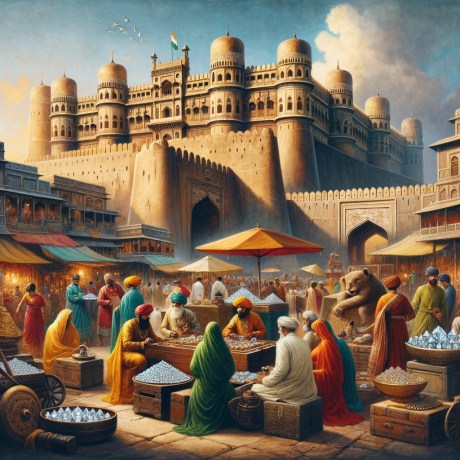
Iconic Indian diamonds that left the country and never returned
Kohinoor diamond has entered the chat again after NYC mayor Zohran Mamdani said he would ask England’s King Charles III to return the diamond to India. The conversation about history, present and rightful ownership has resurged to the surface reminding people about the Indian diamond that remains housed in the Tower of London. However, what many remain unaware of is that many such eccentric and iconic Indian diamonds were taken away from the enriched subcontinent as gifts, trade or loots and have never returned since. Here are 5 iconic Indian diamonds that left the country and never came back.
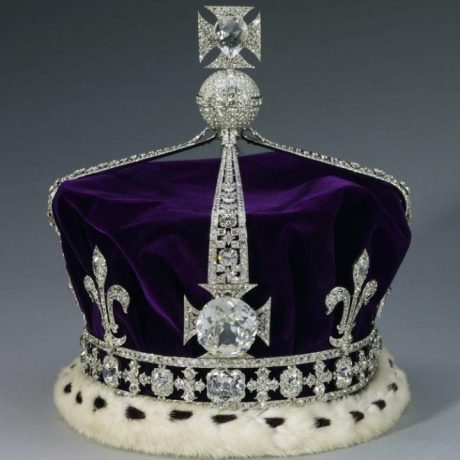
Koh-i-Noor
Koh-i-Noor, meaning the mountain of light is a legendary 105.6 carat diamond whose history spans centuries of ownership by the Mughal, Persian, Afghan and Sikh rulers. In 1849 it was confiscated by the British East India Company following the annexation of Punjab and presented to Queen Victoria. In 2016, the Indian government told the Supreme Court that India should not stake a claim to the famed $200 million diamond as “it was neither stolen nor forcibly taken away.” Thus, now the diamond remains set on the Crown of Queen Elizabeth the Queen Mother.
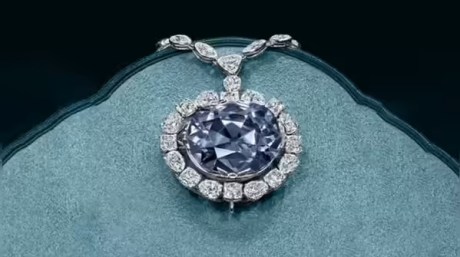
Hope
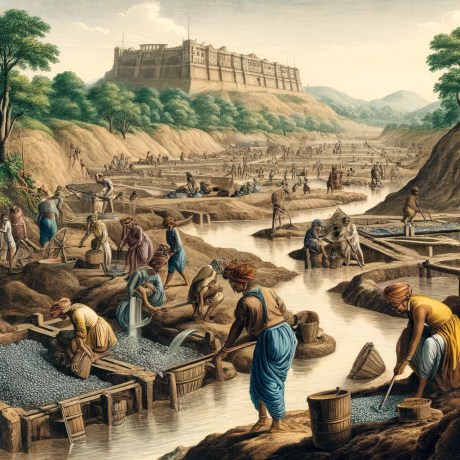
The Hope Diamond was mined in the Kollur mine in Golconda, India. A “beautiful violet,” and 112 3/16 carat diamond was bought by French merchant traveller Jean Baptiste Tavernier and sold to King Louis XIV in 1668 with 14 other large diamonds. During a week-long looting of the crown jewels in September 1792, the diamond which came to be known as French Blue was stolen. It is said to have travelled through the hands of a London diamond merchant to King George IV of the United Kingdom and eventually reached the gem collection catalogue of Henry Philip Hope, after whom it is named, in 1839. For long the diamond belonged to Mrs Evalyn Walsh McLean of Washington D.C. but was bought by Harry Winston Inc. of NYC in 1949 along with her entire jewellery collection. On November 10, 1958, they donated the Hope Diamond to the Smithsonian Institution and ever since it has been one of its premier attractions.
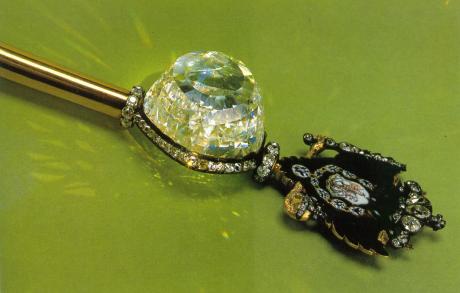
Orlov
Orlov is a large rose-cut diamond of gunmetal grey hue that likely originated in the Golconda region of India. According to a legend recounted by Jean-Baptiste Tavernier, the diamond was stolen from a temple in South India, where it formed one of the eyes of Lord Brahma. In the early 1770s, the diamond was acquired by Count Grigory Grigoryevich Orlov for his lover, Russian Empress Catherine II, who reigned from 1762 until she died in 1796. In 1774, the empress had the Orlov set in the Imperial Sceptre, where it remains to date, on display at the Kremlin Armoury in Moscow.
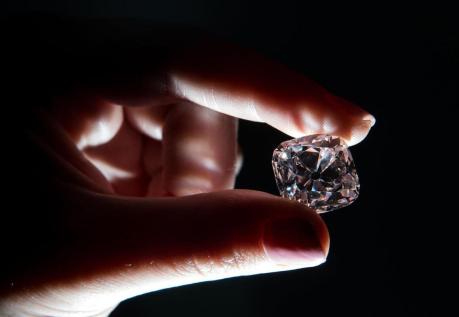
Regent
The Regent diamond was found deep in the mines of Parityala, India in 1698. It was found by a worker who planned to sell it for a large sum of money but was murdered by a British sea captain on a boat on the way. The captain sold the gem to a well-known diamond merchant Jaychand for £1,000. The Governor of Madras at the time, Thomas Pitt acquired the gem from the merchant for £20,000 and sent it to London concealed in his son’s shoe heel. Diamond-cutting artist Joseph Cope spent two years carefully transforming the rough 410-carat diamond into a 140.5-carat brilliant cushion-cut gem. Eventually, in 1717, Philippe II, acting as Regent of France bought the diamond £135,000 for the crown jewels. From there it adorned royal crowns and even Napoleon’s sword belt and is now found on display at the Louvre Museum.
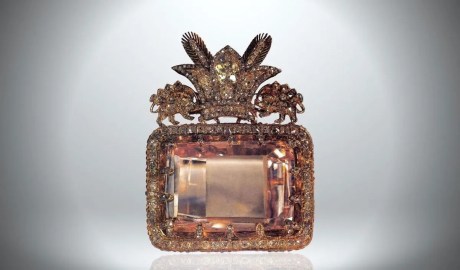
Daria-i-Noor
The Daria-i-Noor is one of the largest cut diamonds in the world weighing around 182 carats. Known as the sea of light it originated from the Kollur Mine in Golconda, India and is the largest known pink diamond on the planet. Today the diamond resides in the Iranian National Jewels collection in Tehran. However, it was taken away from India in 1739 when the Persian ruler Nader Shah invaded northern India and occupied Delhi. He seized many of the Mughal court’s treasures including the Koh-I-Noor, the Peacock Throne, and Daria-i-Noor. – Times of India, 30 April 2026
Filed under: india | Tagged: daria-i-noor, golconda mines, indian diamonds, koh-i-noor, kollur mine | Comments Off on Koh-i-Noor to Daria-i-Noor: Five iconic diamonds purloined from India – ETimes