














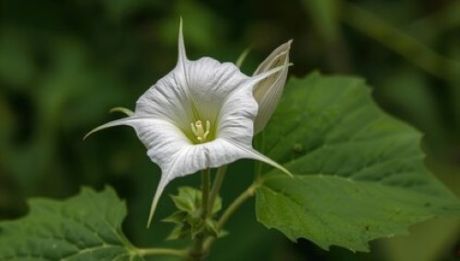
With its trumpet-shaped blooms and thorny seed pods, Datura is both revered and feared, a plant that straddles the line between divinity and danger. – Sujata Singh
Few flowers embody such a paradox as Datura. Known in India as a sacred offering to Lord Shiva, it has also been thrust into global headlines after its mention in the Epstein Files, where it was reportedly cultivated for its mind-altering properties. With its trumpet-shaped blooms and thorny seed pods, Datura is both revered and feared, a plant that straddles the line between divinity and danger.
Datura belongs to the Solanaceae (Nightshade) family, the same botanical group as tomatoes and potatoes. Species such as Datura metel and Datura stramonium are the most well-known. Native to India and Central America, the plant thrives in warm climates and is instantly recognizable by its large, trumpet-shaped flowers that bloom in shades of white, purple, or yellow. Its striking appearance has earned it the nickname “Devil’s Trumpet.”
The flower’s reputation took a darker turn when it appeared in the Epstein Files. Reports revealed that Epstein cultivated “trumpet plants” in his nursery, plants known to contain scopolamine, a compound sometimes referred to as Devil’s Breath or Zombie Breath. This substance can cause memory loss, confusion, and extreme suggestibility. The revelation sparked disturbing debates about how sacred plants can be misused for manipulation and control.
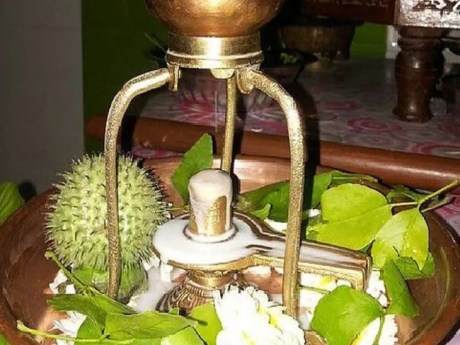
In India, Datura holds a revered place in Shaivite traditions. The white Datura flower is offered to Lord Shiva, especially during Mahashivratri, symbolizing surrender and devotion. Mythology connects the flower to the cosmic event of Samudra Manthan, the churning of the ocean, when the deadly poison halahala emerged. Shiva consumed the poison to save the world, and Datura, with its toxic nature, became associated with his divine power to transform poison into transcendence.
Despite its toxicity, Datura has long been recognized in Ayurveda for its medicinal potential. Historically, healers used it in carefully controlled doses to treat asthma and respiratory issues. It was also applied for pain relief and anti-inflammatory purposes. In certain ritualistic practices, Datura was used to induce trance-like states, reflecting its ability to alter consciousness.
The dangers of Datura are significant. Over consumption can lead to hallucinations, delirium, paralysis, or even death. Its misuse as a recreational drug or for criminal purposes has made it notorious worldwide. The compound scopolamine, derived from the plant, has been linked to cases where victims were rendered highly suggestible, underscoring the risks of its abuse.
Datura embodies a striking duality. In temples it is sacred, offered to Shiva as a symbol of devotion. In modern contexts, it is feared for its potential misuse in mind control and crime. This dual nature mirrors Shiva himself, the destroyer and creator, embodying both danger and divinity.
The flower’s beauty, toxicity, and spiritual symbolism make Datura endlessly fascinating. For devotees, it is a reminder of Shiva’s power to transform poison into healing. For scientists and skeptics, it is a cautionary tale of how nature’s gifts can be twisted into tools of harm. Its story continues to intrigue, inspire, and warn, making Datura one of the most paradoxical plants in human history. – News18, 18 February 2026
› Sujata Singh reports the news for News18.
Filed under: india, world | Tagged: ayurveda, datura, epstein files, sacred flowers, shiva puja | Comments Off on Datura: How Lord Shiva’s sacred flower is used and abused – Sujata Singh











